Revealing the Mysteries of the San Diego Natural History Museum: Premier Exhibits and Helpful Visitor Advice
The San Diego Natural History Museum offers a diverse selection of exhibits that showcase the beauty of the natural world. From the intriguing "Fossil Mysteries" and extending to the colorful "Bird Halls," each section provides distinctive perspectives. Families can enjoy hands-on activities and live wildlife encounters. Yet, understanding the museum's history and planning a visit requires more than just curiosity. What important advice can elevate the journey for each attendee?
Top Exhibits to Explore at the San Diego Natural History Museum
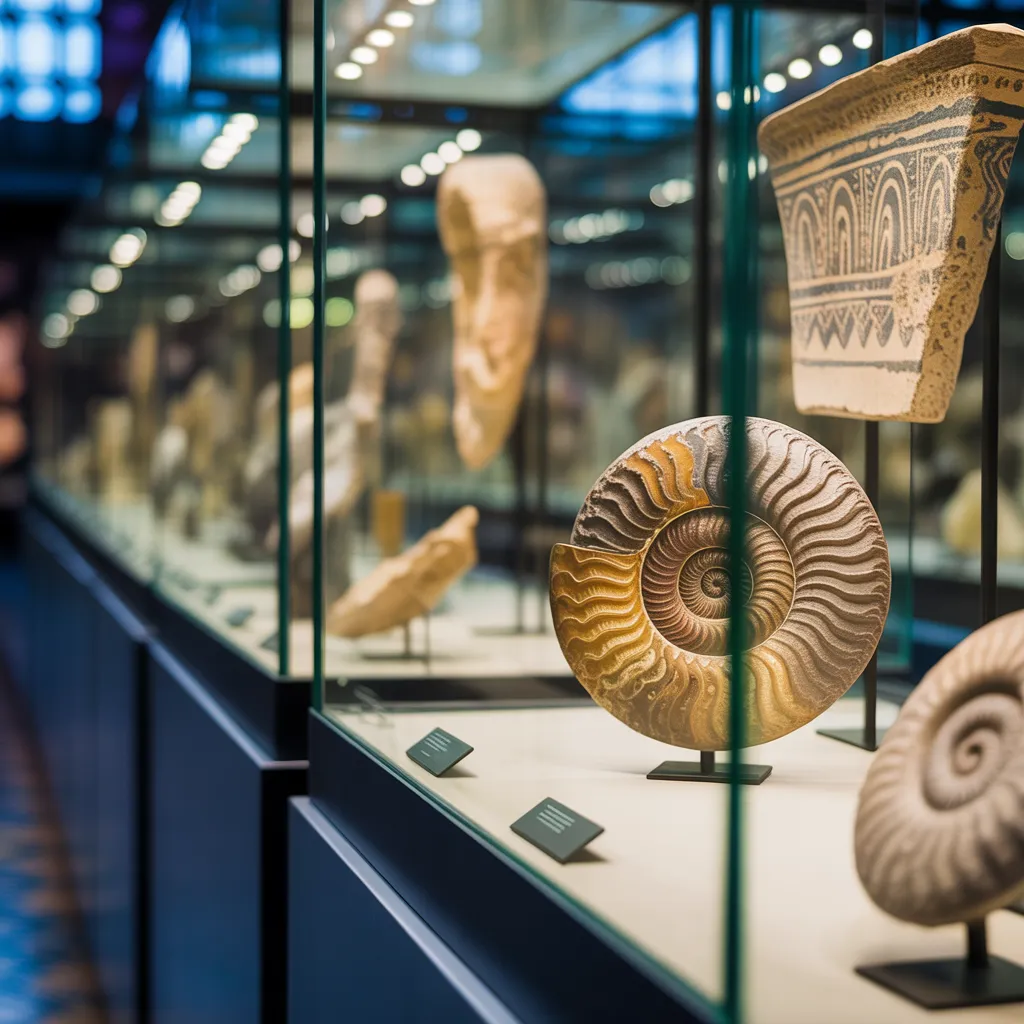
The San Diego Natural History Museum offers an enchanting array of displays that highlight the varied natural legacy of the region. One of the most prominent is the "Fossil Mysteries" exhibit, which illustrates the history of life using stunning fossil specimens, captivating guests through hands-on features. A further highlight is the "Bird Halls" exhibit, where a vast assortment of avian displays illustrates the region's rich biodiversity.
Moreover, the ''Nature Lab'' encourages interactive discovery, allowing guests to engage with live animals and be involved in scientific activities. The "San Diego Ecosystems" exhibit offers an engaging experience, showcasing various habitats and their remarkable flora and fauna.
Finally, the 'Pacific Island" showcase presents the fascinating marine life found in local waters. Every exhibit offers an chance for guests to expand their appreciation of the natural world, establishing the museum as a top destination for nature enthusiasts.
Discover the Museum's Rich Captivating Heritage
The San Diego Natural History Museum holds a remarkable history that dates back to its founding in 1874. Throughout the years, it has seen remarkable milestones and growth, reflecting the evolving interests in natural history. This account not only showcases the museum's evolution but also its contributions to the community and the safeguarding of the region's natural heritage.
Foundation and Early Beginnings
Dating back to 1874, the San Diego Natural History Museum has a storied past that embodies the city's evolving relationship with its natural environment. First created as the San Diego Society of Natural History, the museum was committed to compile and protect specimens from the local area. Initial collections featured geological and biological artifacts, underscoring the ecological diversity of the region. The institution rapidly developed into a focal point for research and educational pursuits, enabling a more profound appreciation for Southern California's natural history. Throughout its formative years, it connected with the community via educational exhibitions and lectures, nurturing a commitment to stewardship of the natural environment. This foundation laid the groundwork for future growth, positioning the museum as a crucial institution committed to preserving San Diego's natural heritage.
Major Milestones and Expansions
As the San Diego Natural History Museum established its reputation in the community, it reached important milestones that guided its evolution. Founded in 1874, the museum initially focused on local natural history, but its vision expanded over the decades. A major expansion occurred in 1933 with the construction of a new building, improving its capability to present exhibits. In 2001, the museum continued its modernization with the introduction of the cutting-edge "Nature Lab" and a new entrance, improving visitor experience. The 2015 opening of the "Dinosaur Mysteries" exhibit marked another significant milestone, attracting thousands of visitors. These advancements highlight the museum's devotion to education and conservation, reinforcing its position as a cultural landmark in San Diego.
Engaging Interactive Activities for Families
At San Diego's Natural History Museum, families can participate in a variety of interactive experiences that make education fun. Engaging science stations allow children to explore scientific concepts, while informative guided tours broaden their understanding of featured exhibits. In addition, exciting live animal interactions offer memorable and educational moments for guests of every age.
Hands-On Science Stations
Visitors exploring the San Diego Natural History Museum will encounter a variety of hands-on science stations that deliver informative and entertaining activities for all ages. These engaging installations welcome children and adults alike to discover a range of scientific topics through tactile learning. From fossil digging to interactive displays showcasing local ecosystems, each station is designed to spark curiosity and encourage discovery. Guests can enjoy experiences that strengthen critical thinking and problem-solving skills, making the experience both fun and informative. Furthermore, many stations integrate modern technology, elevating the educational journey with interactive digital tools. Ultimately, these interactive science exhibits represent a vital part of background information the museum experience, creating unforgettable experiences that nurture a passion for science and nature in visitors of all ages.
Guided Tours for Families
The guided tours offered at the San Diego Natural History Museum give families an outstanding opportunity to broaden their appreciation of the exhibits while participating in an immersive experience. Led by knowledgeable guides, these tours are designed for visitors of all ages, encouraging curiosity and active participation. With guides sharing captivating stories and valuable insights, families can discover featured attractions such as the fossil hall and regional biodiversity displays. Kids are motivated to inquire and take part in discussions, deepening their overall understanding. Because schedules are subject to change, it is recommended that families confirm tour times in advance and book their places whenever feasible. In summary, these guided tours serve as both an enriching educational experience and a wonderful opportunity for families to connect through shared exploration.
Engaging Live Animal Encounters
After the rewarding experience of guided tours, visitors to the San Diego Natural History Museum can participate in engaging live animal encounters that offer a distinctive, hands-on chance to engage with the natural world. These interactive experiences allow families to observe and interact with various species, cultivating a deeper appreciation for wildlife. Educators guide participants through the sessions, providing captivating information about the animals and their environments. Kids can touch, hold, or even feed several of the animals, forming lasting memories. These encounters are designed to be both educational and entertaining, making them ideal for family outings. By embracing these immersive experiences, visitors leave with a deeper understanding of biodiversity and conservation efforts essential for the environment.
Upcoming Special Events and Programs at the Museum?
What special attractions can guests discover at the San Diego Natural History Museum? The museum currently features an array of special events and programs created to entertain visitors of all ages. The "Night at the Museum" series encourages families to discover exhibits after hours, offering interactive activities and guided tours conducted by experienced staff. Additionally, the "Science on the Rocks" event offers adults an evening of cocktails, live music, and interactive science demonstrations.
For those interested in deepening their understanding of nature, the museum offers educational workshops dedicated to conservation efforts and regional wildlife. Recurring seasonal events, such as the beloved "Dino Days," delight younger visitors with entertaining and enriching activities focused on paleontology. Furthermore, the museum regularly partners with local organizations for community-focused events, providing a wide variety of enriching experiences. These programs not only enrich visitors' knowledge but also foster a deeper appreciation for the natural world.
Preparing for Your Visit: Hours and Accessibility
Planning a visit to the San Diego Natural History Museum calls for awareness of hours of operation and accessibility options. The museum is usually open each day from 10 a.m. to 5 p.m., providing sufficient time for guests to experience its broad collection of displays. It is advisable to check the official website for seasonal changes or special event schedules that could impact visiting hours.
Regarding accessibility, the museum remains dedicated to welcoming all visitors. Wheelchair hire is offered, and the facility is designed to be navigable for individuals with mobility challenges. Accessible restrooms are located throughout the museum, guaranteeing convenience for all guests. Additionally, service animals are permitted, enhancing the experience for visitors requiring assistance. By planning ahead and familiarizing themselves with these details, guests can secure a more enjoyable and seamless visit to this exceptional establishment.
Dining and Shopping Options at the Museum
Those who visit the San Diego Natural History Museum will come across a range of dining and shopping options that enhance their experience. The facility provides a café offering a range of locally sourced, fresh meals, light refreshments, and drinks, making it a welcome destination for visitors of all kinds. Guests can enjoy a light meal while pausing their exploration of the various exhibits on display.
Apart from the dining facilities, the museum's gift shop offers a range of exceptional souvenirs, instructive toys, and books related to natural history. Customers can browse items that accommodate all ages, making it a wonderful place to pick up a memento or a thoughtful gift.
Essential Tips for an Amazing Museum Experience
How can one make the most of their visit to the San Diego Natural History Museum? Planning ahead is vital. Guests are encouraged to review the museum's calendar for special events or guided tours that enrich their visit. Coming early enables a more relaxed discovery of sought-after exhibits, like the fossil gallery and live animal presentations.
Making use of the museum's mobile app can provide valuable insights, such as maps and in-depth descriptions of each exhibit. Moreover, taking advantage of interactive displays entertains and educates visitors of every age.
A strategically timed midday break at the onsite café can recharge energy levels before diving back into the exhibits. To wrap things up, engaging with the museum's workshops or instructional programs can broaden understanding and appreciation of the natural world. By applying these insider tips, museum-goers can guarantee a memorable and enriching experience at the San Diego Natural History Museum.
Commonly Asked Questions
Can Visitors Take Guided Tours at the Museum?
Yes, guided tours are available at the museum. These tours offer visitors detailed information about the exhibits, elevating the entire museum experience and enabling a greater appreciation of the museum's varied collections and exhibits.
Is It Possible to Bring My Pet to the Museum?
Animals are not allowed inside the building. Visitors are encouraged to secure suitable accommodations for their animals to ensure a comfortable experience for both guests and the exhibits within the facility.
Is Photography Allowed Inside the Exhibits?
Photography is generally permitted inside the exhibits, but flash photography and tripods could be forbidden. Visitors are encouraged to check specific guidelines for each exhibit to verify compliance with museum policies regarding photography.
Do We Offer Membership Plans for Regular Visitors?
The museum features a range of membership options created for frequent visitors, offering benefits including unrestricted admission, discounts on events, and exclusive access to special exhibits. A membership enhances the complete experience for loyal patrons.
What Security Measures Has the Museum Implemented?
The museum enforces various safety precautions, including consistent sanitation of commonly touched surfaces, mandatory face coverings, physical distancing measures, and capacity limits to guarantee a safe and comfortable environment for all visitors and staff during their time at the museum.